
ReGen Valley: New Hampshire Regenerative Medicine Tech Hub
Regenerative Medicine: Replace, Repair, Regrow
Regenerative medicine has moved from possibility to practice. RegenMed uses living material (cells, genes, engineered tissue) to repair, replace, or regrow what a disease or injury has affected.
ReGen Valley Tech Hub is a federally designated Tech Hub bringing together New Hampshire’s health systems, universities, community colleges, and biofabrication companies to build what delivery requires: clinicians who know and understand these options exist, care teams trained to support them, and manufacturing and health systems ready to deliver.
Our full site launches in Jan 2027. Until then, we’d be glad to hear from you.
ce, education, and health system readiness to bring regenerative therapies into everyday care.
KRESLADI
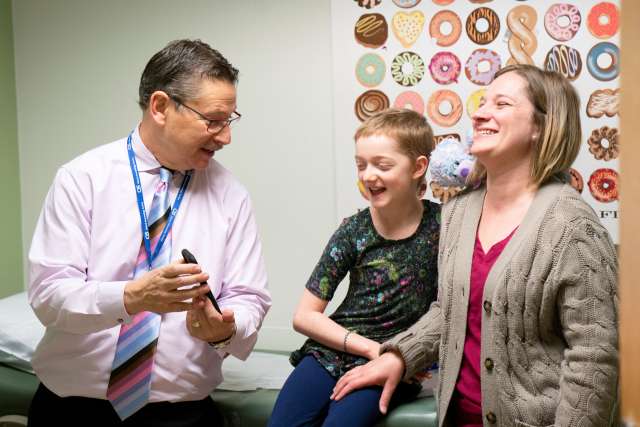
A stem cell–based gene therapy for severe leukocyte adhesion deficiency type I (LAD‑I).
The condition. Severe leukocyte adhesion deficiency is caused by mutations in the gene the codes the protein white blood cells need to adhere to blood vessel walls and migrate into the tissue. Without the gene, infection fighting cells circulate at high levels but cannot reach the sites where they are needed. Patients affected by LAD-I experience recurrent bacterial and fungal infections that respond poorly to antimicrobials, impaired wound healing, and frequent hospitalization.
The treatment. Doctors collect the patient’s own blood stem cells, add a working copy of the missing gene, and return the cells to the body after conditioning. Utilizing the patient’s own cells removes the need for donor matching.
Why it matters. Nine children aged five months to nine years were treated in Phase ½ of the study led by Donald B. Kohn, MD, at UCLA. All nine patients are living with restored immune function.
“We’ve reached a point where it’s not the science that’s limiting more of these therapies from becoming available.�
Dr. Donald Kohn, UCLA — principal investigator
KRESLADI is an example of what regenerative medicine is for: repairing the cause of a disease rather than just managing symptoms.
The science has arrived. What is left is making it reach the patients who need it.
Read the full story at UCLA Health →